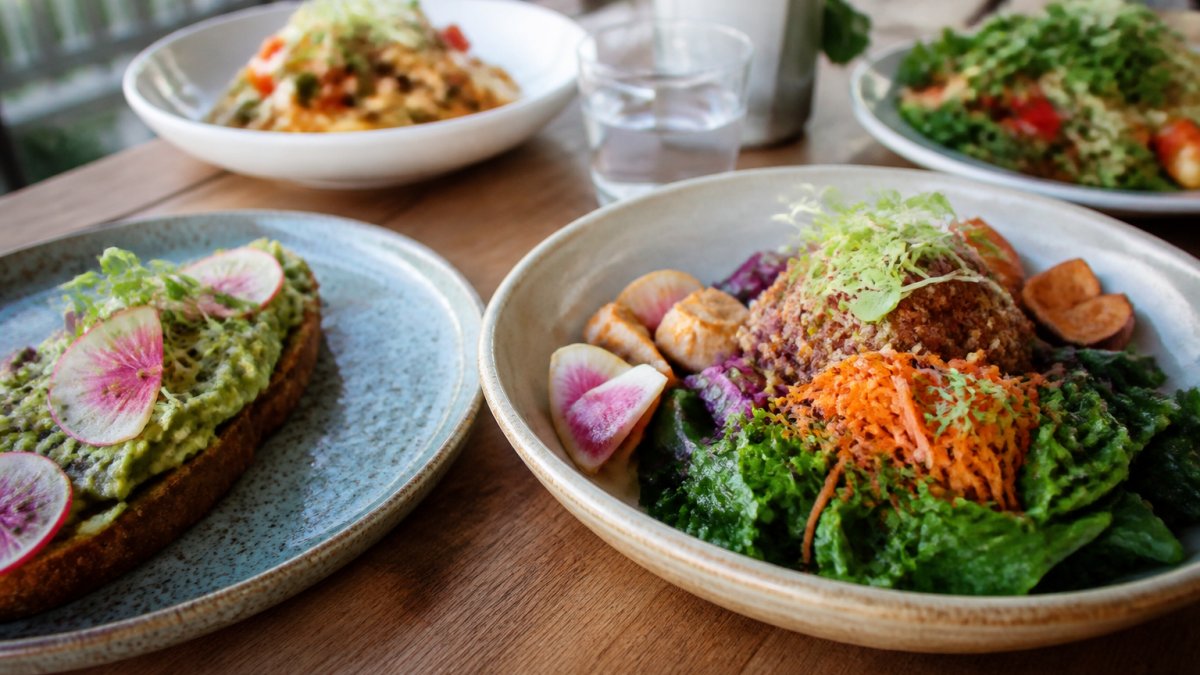
 ultimate-guide
Gluten-Free Vegan Dining: A West Hollywood Guide
Table of Contents
- Why Gluten-Free Vegan Dining in West Hollywood Matters
- Vegan Restaurants in West Hollywood That Take Dietary Needs Seriously
- Gluten-Free Restaurants in West Hollywood: What's Actually Available
- Understanding Gluten Cross-Contact Questions for Restaurants
- Vegan Dining for Groups with Dietary Restrictions
- How to Verify Menus and Plan Your Visit
- Robby's West Hollywood: Handcrafted Dishes for Every Dietary Need
- Conclusion
- Frequently Asked Questions
Last Updated: October 12, 2026
Why Gluten-Free Vegan Dining in West Hollywood Matters
Finding restaurants that accommodate both gluten-free and vegan needs is genuinely challenging. Most dining guides treat these as separate categories, leaving you to piece together whether a single restaurant can serve you well. Gluten-free vegan dining in West Hollywood requires restaurants willing to understand cross-contamination risks, verify ingredient sourcing, and prepare food with intention.
At Robby's West Hollywood, we understand that dietary needs aren't limitations to tolerate, they're part of who you are. Whether you're avoiding gluten for health reasons, choosing plant-based eating for ethical or environmental reasons, or navigating both, you deserve restaurants that take your requirements seriously.
Vegan Restaurants in West Hollywood That Take Dietary Needs Seriously
Vegan restaurants in West Hollywood range from quick-service counters on Santa Monica Boulevard to full-service dining rooms along La Cienega and Melrose.
The practical way to evaluate a vegan kitchen is to ask three questions in order:
- Which menu items are vegan by default, and which are vegan only after modification? Default-vegan dishes are safer because the kitchen already has a workflow for them.
- Of those, which are also gluten-free without modification? This is the smallest and most valuable list.
- For the overlap items, how is gluten avoided in prep? This is where most kitchens fail.
A common pattern in plant-based kitchens is a shared fryer used for breaded seitan, tempura, or flour-dusted items. If your dish's crispy component comes out of that fryer, it is not gluten-free regardless of what the menu says.
When comparing vegan spots, weight these signals in order:
- Dedicated prep or dedicated fryer, strongest signal, but rare.
- From-scratch sauces and dressings, removes the most common hidden-gluten source.
- Naturally gluten-free core dishes (grain bowls, oil-and-vinegar salads, grilled or roasted vegetable plates, rice-based dishes), safer than modified dishes.
- Willingness to let you speak with the chef, a proxy for how seriously the kitchen takes the request.
Cuisine matters. Thai and Vietnamese menus lean on rice noodles and tamari-friendly soy alternatives, making the vegan-and-gluten-free overlap larger. Mexican menus lean on corn tortillas, naturally gluten-free, but confirm the kitchen isn't warming them on a shared wheat-tortilla comal or using a flour-thickened sauce.
For a dated, dish-level check, call during off-peak hours (mid-afternoon, between lunch and dinner rush) and ask for a manager or the chef on duty. Write down the name and date. Menus and kitchen staff change; a confirmation from three months ago is not a confirmation today.
Gluten-Free Restaurants in West Hollywood: What's Actually Available
Fully gluten-free dedicated kitchens are rare in West Hollywood. Far more common are restaurants with gluten-free menu items, substitutions, or the ability to modify a dish.
The three tiers, from safest to least:
- Dedicated gluten-free kitchen, no gluten-containing ingredients on site. Very rare. If you find one, it is worth the trip.
- Gluten-free menu with dedicated prep, the kitchen maintains a separate prep area, separate utensils, separate cutting boards, and either a dedicated fryer or no fried items at all. This is the realistic target for celiac diners.
- Gluten-free substitutions, the restaurant will swap gluten-free pasta or bread into an otherwise standard dish, prepared in a shared kitchen. This tier is workable for general gluten avoidance but is not a celiac-safe promise.
What to ask, and what the answers mean:
- "Do you have a dedicated gluten-free fryer?", If no, assume any fried item is contaminated. This single question eliminates the largest category of cross-contact risk.
- "Is your gluten-free pasta cooked in separate water?", Shared pasta water is a common contamination source. A kitchen that cooks gluten-free pasta in the same pot as wheat pasta is not serving gluten-free pasta.
- "Are your gluten-free items prepared on a separate surface?", Shared cutting boards, prep counters, and utensils are the second-largest risk after fryers.
- "Which of your sauces are thickened with flour or contain soy sauce?", Sauces, broths, and marinades are where hidden gluten lives. From-scratch kitchens can usually answer; kitchens using packaged bases often cannot.
- "Can you walk me through how this specific dish is prepared?", The real test. A kitchen that can describe the prep steps has thought about it.
Celiac-level precautions vs. general gluten avoidance. These are not the same request, and you should say which one you mean.
Neighborhood and planning notes. West Hollywood's restaurant density is highest along Santa Monica Boulevard, Melrose Avenue, and La Cienega Boulevard, with options on the side streets between them. Most establishments in these corridors are a short walk or rideshare apart, making a same-evening backup plan realistic. If a restaurant can't answer confidently, walk to the next option.
Price, hours, and reservations. Gluten-free and vegan menus in West Hollywood span casual counter-service spots to full-service dining rooms. Prices, hours, and reservation policies change frequently, so confirm them directly on the day you plan to visit.
Accessibility. If you need step-free entry, accessible restrooms, or specific seating, ask when you book. West Hollywood's older commercial buildings vary widely, and accessibility details are rarely listed online.
Understanding Gluten Cross-Contact Questions for Restaurants
Gluten cross-contact is the biggest issue when combining gluten-free and vegan dining. It's not just about avoiding obvious gluten sources, it's about how food is prepared.
Explain that you need gluten-free preparation, not just gluten-free ingredients. Many restaurants assume gluten-free means avoiding wheat, then serve food prepared on the same cutting board used for regular bread.
Ask about specific methods. Are sauces made from scratch or packaged bases? Many contain gluten as a thickener. Are vegetables roasted in a shared oven?
The conversation matters more than any menu note. A restaurant that listens, asks follow-up questions, and takes time to understand your needs is more trustworthy than one that quickly assures you "no problem."
Vegan Dining for Groups with Dietary Restrictions
Group dining gets complicated when multiple people have different needs, one vegan, one gluten-free, a third with a nut allergy.
Book your Robby's reservation on Resy →
When booking a group, call ahead and explain everyone's needs. The best restaurants ask clarifying questions, suggest dishes for each person, and confirm they can prepare everything at once so nobody eats alone while others wait.
Look for flexible menus or chefs willing to work with you, family-style dining customized per person, or prix fixe menus they can modify.
Group dining also means choosing a restaurant with enough space and a welcoming atmosphere. The right place takes your needs seriously and lets you enjoy your meal without stress.
How to Verify Menus and Plan Your Visit
Menus change, ingredients shift, and restaurants update their practices. Never rely on old information. Before visiting, check the website and call directly. Ask for a manager or chef, they understand preparation methods better than front-of-house staff.
Use review platforms to see if diners with similar restrictions have eaten there successfully. Look for specific comments about gluten-free or vegan preparation, not general praise.
When you call, be specific. Say "I'm vegan and gluten-free" rather than asking if they have options. Ask about specific dishes, how they're prepared, and what the kitchen can guarantee.
Arrive when the restaurant is less busy if possible. A packed kitchen is more likely to make mistakes.
Robby's West Hollywood: Handcrafted Dishes for Every Dietary Need
Robby's West Hollywood approaches dietary accommodations differently. Because every dish is handcrafted and prepared fresh to order, the kitchen already has systems to customize and modify.
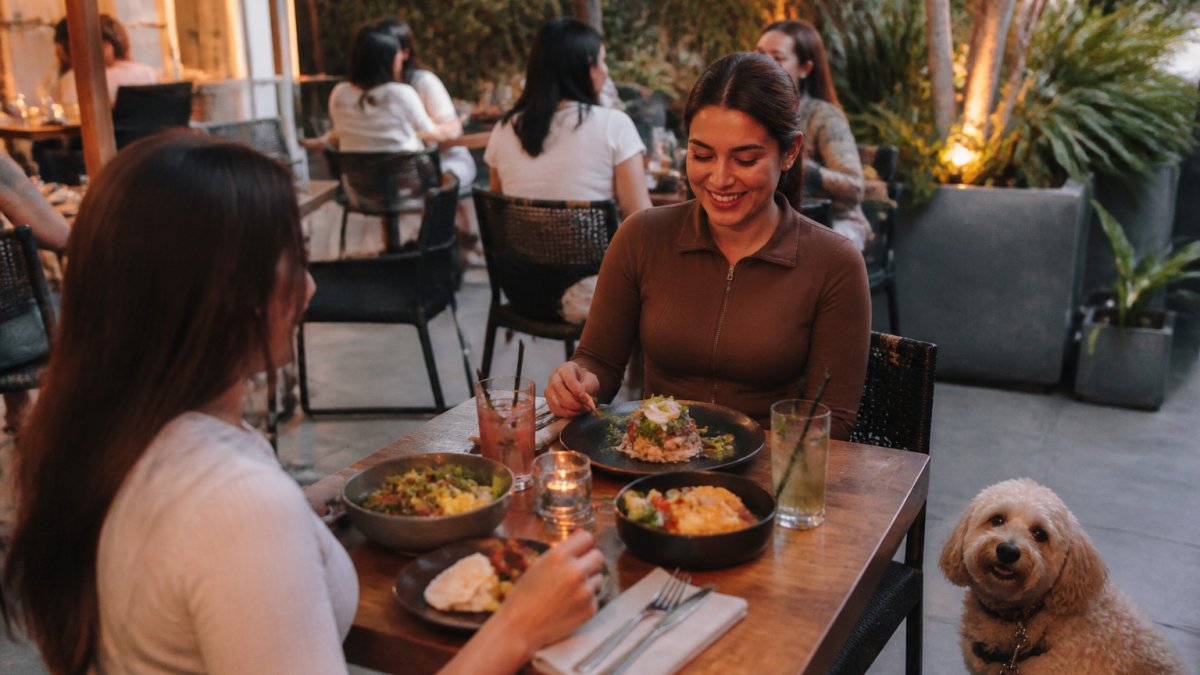
When you order at Robby's, we're building your meal in response to what you need.
Our menu includes plant-based options, and we work with you to make them gluten-free. We understand vegan and gluten-free are separate needs requiring different attention.
The atmosphere at Robby's also matters. You're not dining in a sterile clinical environment or a place that makes you feel like a burden.
Booking is simple through Resy, and we offer one hour of free validated parking, no circling the block, no parking garage fees, no stress.
Conclusion
Finding gluten-free vegan dining in West Hollywood that actually works requires asking the right questions and choosing restaurants that take dietary needs seriously. It's not enough to say they have options, they need to understand cross-contamination, prepare food with intention, and treat your requirements as part of who you are.
Robby's West Hollywood delivers exactly that. Our handcrafted dishes are prepared fresh to order, so we're already set up to customize and accommodate. We understand both gluten-free and vegan requirements, we can prepare them together, and we do it in a warm, welcoming atmosphere.
| Consideration | Why It Matters | What to Ask |
|---|---|---|
| Cross-contamination protocols | Gluten particles transfer through shared equipment | "Do you prepare gluten-free items separately?" |
| Ingredient sourcing | Hidden gluten appears in sauces, broths, and processed items | "Are sauces made from scratch?" |
| Kitchen communication | Staff needs to understand both vegan and gluten-free needs | "Can I speak with the chef about my requirements?" |
| Preparation timing | Busy kitchens make mistakes; slower periods allow focus | "When is your quietest time?" |
| Menu verification | Menus change; online information becomes outdated | "Has this dish changed recently?" |
Frequently Asked Questions
Where can I find vegan restaurants in West Hollywood that also serve gluten-free options?
Several restaurants in the area offer both vegan and gluten-free menu items, though availability varies. The key is calling ahead to confirm current offerings, as menus change seasonally and kitchens have different protocols for handling dietary restrictions. Restaurants that prepare dishes fresh to order are more likely to accommodate both needs simultaneously. Ask specifically whether they use separate preparation areas or utensils to prevent cross-contact with gluten.
What should I ask a restaurant about cross-contact with gluten?
Ask whether the kitchen uses dedicated utensils, cutting boards, and preparation surfaces for gluten-free items. Inquire if sauces, broths, and seasonings are certified gluten-free or prepared without gluten-containing ingredients. Request details on how staff prevents cross-contact during cooking, such as using separate pans or cooking gluten-free items first. A restaurant serious about gluten-free dining will have clear protocols and staff trained to answer these questions.
How do I plan a group dinner when guests have different dietary needs?
Contact the restaurant directly before your reservation to discuss the group's dietary restrictions. Provide a breakdown of how many guests need vegan, gluten-free, vegetarian, or standard options. Ask if the kitchen can prepare dishes family-style or if individual plates work better. Confirm they can handle special requests and whether advance notice helps them source ingredients or prepare specific dishes. Restaurants with event planning experience can often streamline the process significantly.
Should I call ahead before dining gluten-free and vegan at a restaurant?
Yes, calling ahead is highly recommended. It gives the kitchen time to prepare, confirms current menu availability, and allows staff to discuss cross-contact protocols directly. This is especially important if you have severe allergies or sensitivities. Many restaurants appreciate advance notice because it ensures they can deliver a satisfying meal rather than improvising at the last minute. For late-night dining, advance notice becomes even more critical.
What's the difference between a vegan option and a plant-based menu?
A vegan option is a single dish free from all animal products (meat, dairy, eggs, honey). A plant-based menu emphasizes vegetables and plant-derived ingredients but may still contain dairy or eggs. When searching for restaurants, look for explicit vegan labeling on menus rather than assuming plant-based dishes are vegan. Ask servers to clarify if a dish contains hidden animal products like butter, cream, or anchovies in dressings.
How can I verify that a restaurant's menu actually has good gluten-free vegan options?
Check recent customer reviews specifically mentioning gluten-free and vegan meals. Call the restaurant directly and ask staff to describe 2-3 completed dishes they've served, not just theoretical options. Ask whether items are prepared from scratch or if they're limited to salads and sides. Request the current menu to see actual offerings. Restaurants that can name specific signature dishes and explain preparation methods are more reliable than those offering only generic modifications.